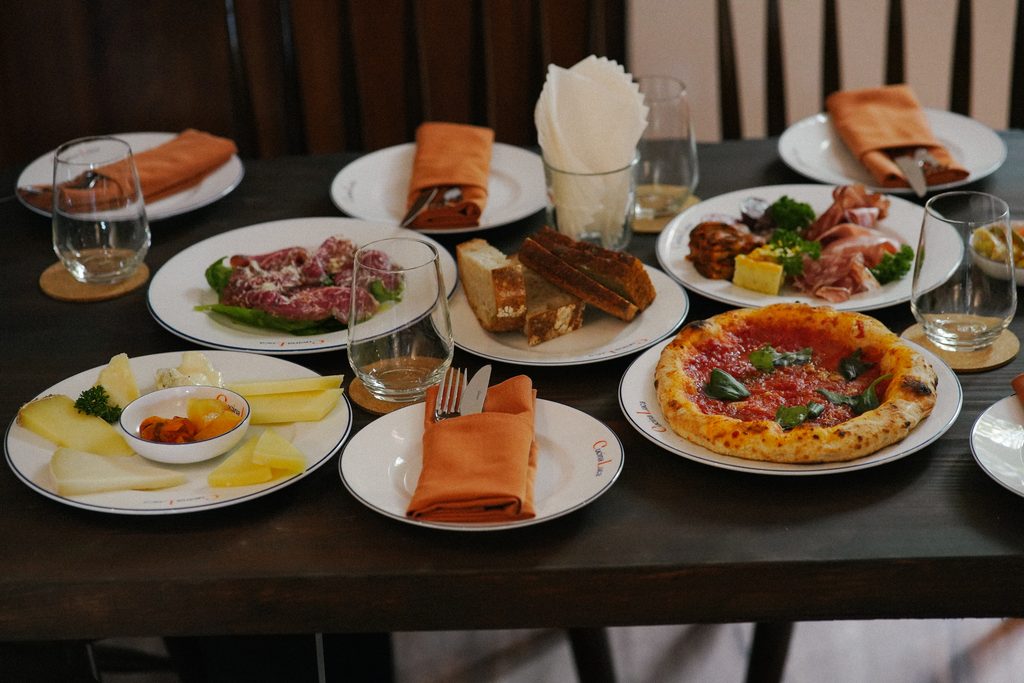
At CucinaLuca, every dish tells a story of love, tradition, and authentic Italian flavors. Step inside and let the warmth of our kitchen and the aroma of fresh pasta make you feel right at home. Buon appetito!
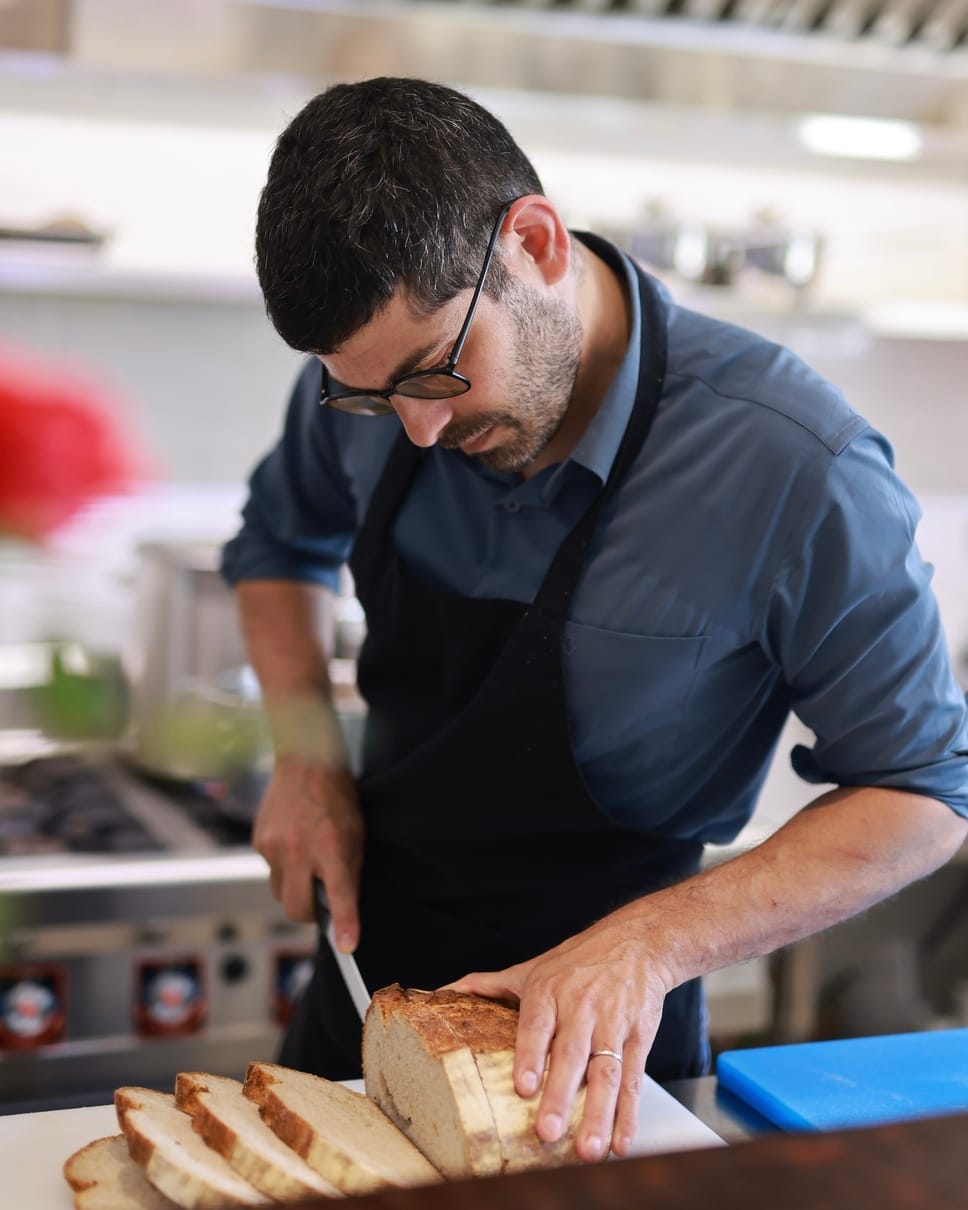
Luca FecarottaHi, I’m Luca Fecarotta, founder and head chef of Cucina Luca Italian Restaurant. I’ve been living in Da Nang for 6 years, exploring every corner of this beautiful coastal city. Over time, I’ve fallen in love with its local culture, vibrant cuisine, stunning beaches, and the warm, welcoming spirit of the people who call it home.
Sunday lunch in Italy is more than a meal. It is a moment to slow down, gather around the table, and return to familiar flavours. For many families, recipes carry memories from one generation to the next. The food may change from region to region, but the feeling remains. At the centre is time: time to cook, time to talk, and time to enjoy being together.
Il pranzo della domenica simply means Sunday lunch. In Italy, however, it can mean much more than what is served on the plate.
Sunday gives families a reason to gather without the rush of a weekday. The kitchen becomes busy. Someone prepares the pasta. Someone brings bread to the table. The meal takes its time. There is no need to hurry to the next appointment.
The table becomes a place for family, conversation, and food prepared with care. Grandparents, parents, children, and friends may all have a place around it. The dishes can be simple, but the occasion feels special because people have made time for one another.
That is the heart of pranzo della domenica. It is not simply about eating on Sunday. It is about sharing Sunday together.
Why Sunday Lunch Matters So Much in Italy
For many Italian families, Sunday lunch is one of the moments when different generations come together.
Grandparents may bring a recipe they have cooked for decades. Parents prepare the dishes they remember from childhood. Children grow up watching, tasting, asking questions, and eventually learning to make those same dishes themselves.
This is how food becomes part of family history. A Sunday lunch can also offer a pause from the rhythm of the week. There is more time to prepare the meal and more time to stay at the table. Conversation does not have to stop when the plate is empty.
The meal continues. A recipe may be remembered because of the person who taught it. A particular sauce may bring back the smell of a grandmother’s kitchen. Handmade pasta may remind someone of the hands that first showed them how to shape it.
This is why Italian food traditions are often about more than recipes. They are about memory.
For Chef Luca Fecarotta, that connection is especially personal. Born in Italy’s Marche region, he grew up with the aroma of handmade pasta prepared by his grandmother. His approach to cooking today continues to place tradition, simple ingredients, and family memory at the centre of the table.
What Does a Traditional Italian Sunday Lunch Look Like?
Sunday lunch changes from one region to another. It also changes from one family to the next. Some families may prepare a large baked pasta dish. Others may make fresh pasta with a slow-cooked sauce. Some may serve meat, while others build the meal around fish or seasonal ingredients.
Antipasto may begin the meal with small dishes, cured meats, cheese, vegetables, or other simple preparations. Then comes the primo. This might be fresh pasta, baked pasta, risotto, or another dish built around grains or pasta.
The secondo follows. It can be meat, fish, or another main dish, usually accompanied by a contorno, such as seasonal vegetables or potatoes. Then comes dolce. Dessert may be something homemade and familiar, followed by coffee and perhaps a little more conversation.
A Sunday lunch does not have to look the same in Rome, Naples, Bologna, or the Marche. Regional food is shaped by local ingredients, history, and family habits. That is part of what makes Italian food culture so personal.
Handmade Pasta: The Heart of Many Sunday Tables
For many families, handmade pasta is closely connected with the feeling of a Sunday meal. Making pasta takes time. Dough has to be prepared, worked, shaped, and cooked. It is not simply something taken from a packet and added to a sauce.
For Chef Luca, pasta is also connected to childhood. He was born in the Marche region, where his early memories included his grandmother making handmade pasta. That experience became part of the way he understands food today.
This is where a Sunday lunch becomes something more personal.
At Cucina Luca, fresh pasta is made each morning, following traditional recipes and using ingredients that change with the market. The restaurant describes its approach simply: cooking the way Luca’s family cooks. That is more than a technique. It is a way of carrying a tradition forward.
If you would like to explore the pasta traditions behind Cucina Luca’s kitchen, discover our guide to the different types of handmade pasta served at the restaurant.
What Sunday Lunch Meant to Chef Luca
For Luca, the story of Italian food begins at home. He grew up in the Marche region with the smell of pasta being made by hand. Before Cucina Luca, his path was not a straight line into the restaurant kitchen. He first worked as an accountant, then followed his passion for street photography and travelled before eventually making food his work.
But some memories stayed with him: the warmth of the kitchen, the rhythm of rolling fresh dough, and the taste of food shaped entirely by hand.
These are the memories that can travel with you. When someone leaves the place where they grew up, they cannot take every street, every person, or every afternoon with them. Food is different. A familiar smell or taste can bring a person back almost immediately. That is why a family recipe can mean so much. It carries a place with it.
Enjoy Your Italian Sunday Lunch at Cucina Luca
At Cucina Luca, the idea of an Italian meal is not about making food feel complicated. It is about bringing traditional cooking into a warm, relaxed setting in An Thuong, Da Nang. Chef Luca’s kitchen focuses on handmade pasta, traditional recipes, and ingredients that follow the market. The menu also changes, so the dishes available can vary from day to day.