At CucinaLuca, every dish tells a story of love, tradition, and authentic Italian flavors. Step inside and let the warmth of our kitchen and the aroma of fresh pasta make you feel right at home. Buon appetito!
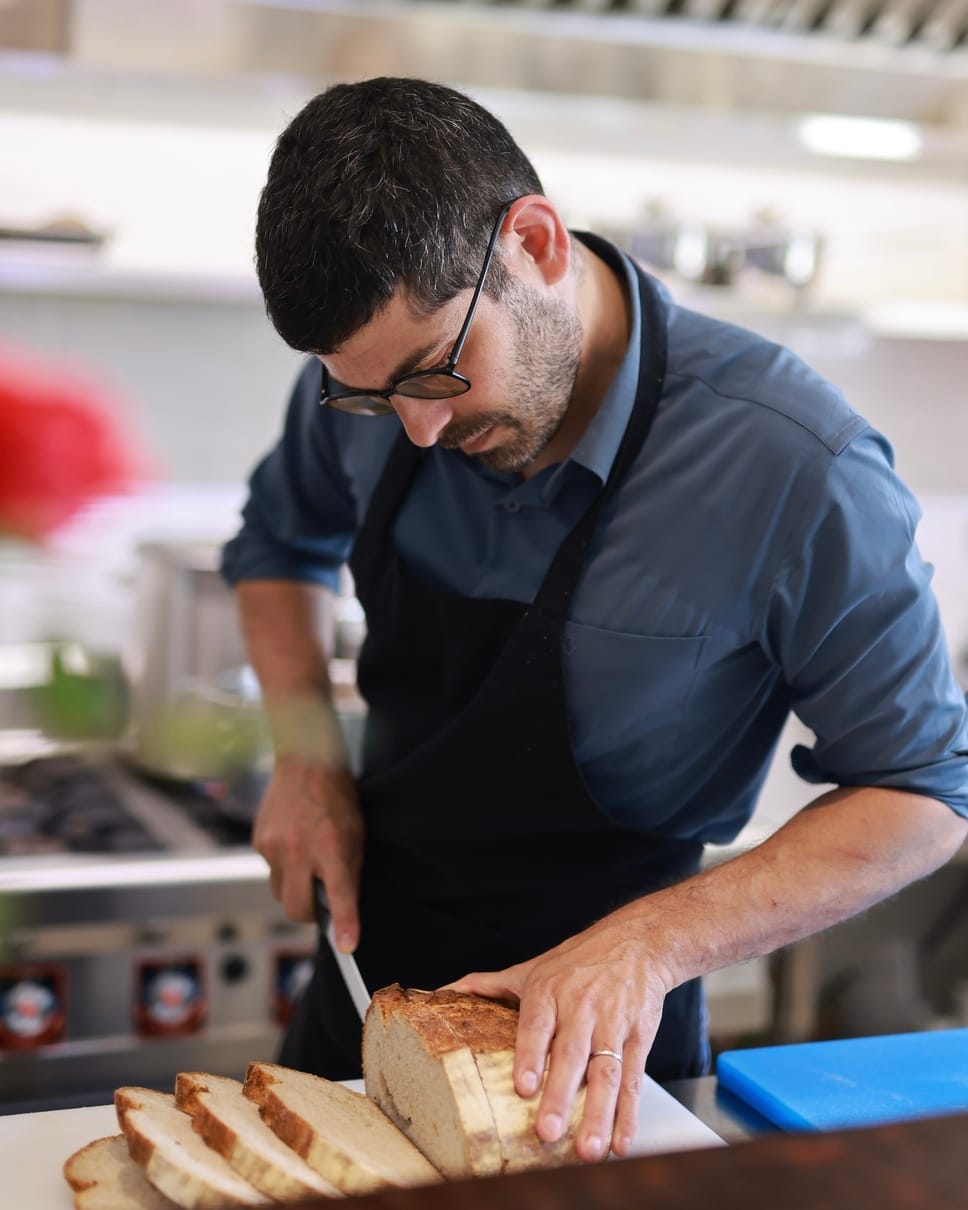
Luca FecarottaHi, I’m Luca Fecarotta, founder and head chef of Cucina Luca Italian Restaurant. I’ve been living in Da Nang for 6 years, exploring every corner of this beautiful coastal city. Over time, I’ve fallen in love with its local culture, vibrant cuisine, stunning beaches, and the warm, welcoming spirit of the people who call it home.
Every Italian meal tells a story, and that story often begins with antipasto. At Cucina Luca, antipasto is the moment people actually slow down. You settle in, look around the table, and start to taste. It reflects the warmth of gathering around the table, sharing seasonal ingredients, and slowing down before the main courses arrive. This article explores what antipasto truly means and why it remains an essential part of Italian dining culture.
The word “antipasto” comes from the Italian word “pasto”, meaning “meal,” so its literal meaning is “before the meal.” In Italy, antipasto marks the beginning of a traditional dining experience, served before the primo piatto, secondo piatto, and dolce. Its purpose is never to satisfy hunger completely. It’s not meant to fill you up. It’s meant to wake you up, to make you curious about what comes next.
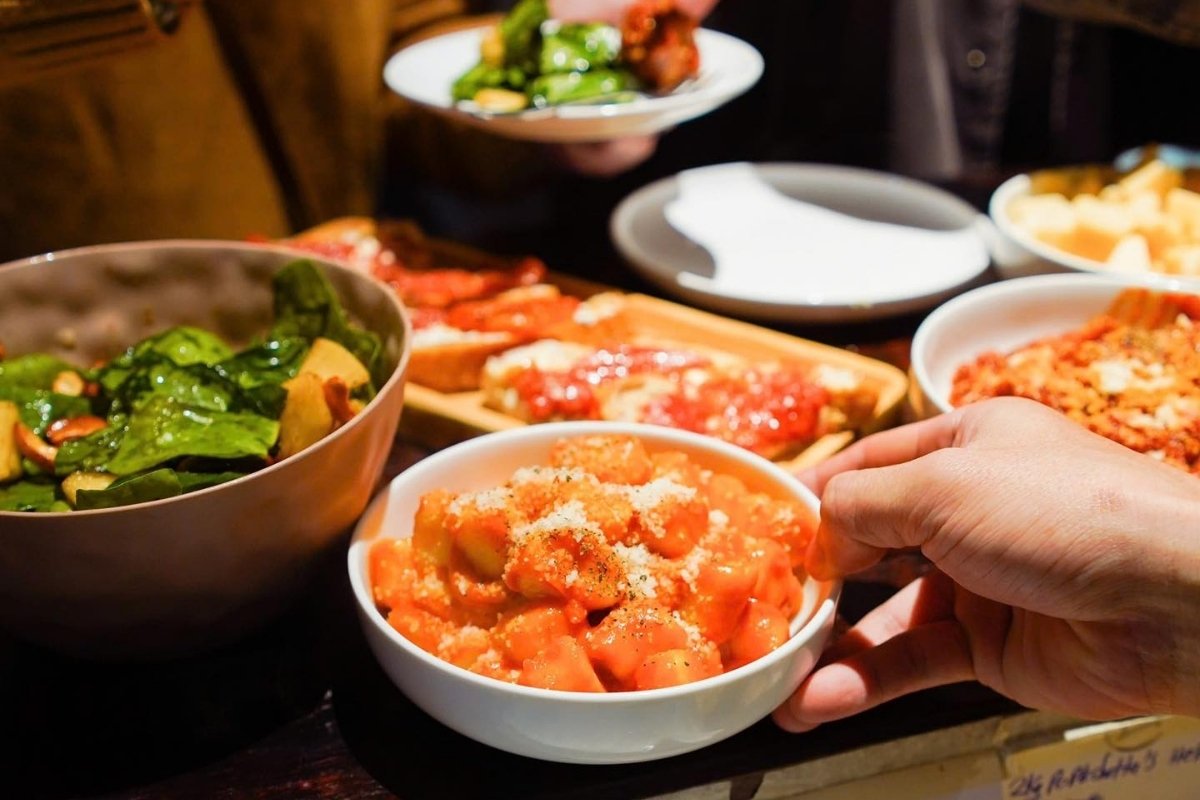
At Cucina Luca, this tradition is carried to the table with the same philosophy found in Italian homes. Every antipasto celebrates honest ingredients, seasonal produce, and the simple balance of flavours that define authentic Italian cooking. Before the first plate of handmade pasta arrives, it creates a moment for conversation, connection, and the quiet pleasure of slowing down together, just as generations of Italian families have always done.
The Flavors of Antipasto
Antipasto is about balance, each bite should make you want the next one. Every ingredient has its place, creating gentle contrasts that prepare diners for the courses ahead. The experience moves naturally from salty cured meats and aged cheeses to bright marinated vegetables, fresh herbs, and the subtle sweetness of seasonal fruit. Together, these flavours create anticipation instead of fullness.
What makes it memorable is how everything talks to each other. Crisp vegetables meet creamy cheeses, tender slices of prosciutto pair with briny olives, while pickled artichokes, mushrooms, or peppers bring a delicate acidity. Rather than one dominant taste, every bite offers a different combination, inviting conversation and encouraging everyone to slow down before the next course arrives.
Northern Italy Antipasto
Northern Italy is shaped by alpine landscapes, fertile plains, and nearby lakes, giving its cuisine a rich variety of dairy products, cured meats, and fresh herbs. Antipasto from this region brings flavours that are rich yet carefully balanced by fragrant herbs and seasonal produce.
A Northern Italian antipasto may feature Prosciutto di Parma, mortadella, fresh mozzarella, Fontina or Gorgonzola cheese, olive tapenade, balsamic onions, fresh figs, or a simple salad of tuna and cannellini beans. Every selection celebrates local ingredients while creating a gentle introduction to the meal that follows.
Central Italy Antipasto
In Central Italy, antipasto reflects a cuisine built on excellent olive oil, artisan cheeses, rustic bread, and seasonal vegetables. Across regions such as Tuscany and Marche, antipasti often include burrata with roasted tomatoes, caprese salad, smoked salmon with fennel, grilled eggplant, sautéed seafood, and platters of prosciutto, salami, pecorino, Fontina, or Gorgonzola. Every dish reflects the local landscape while inviting people to gather, share, and enjoy the simple pleasure of eating together.
Southern Italy Antipasto
Southern Italy brings brighter, bolder flavours to the table through sun-ripened tomatoes, fragrant herbs, fresh seafood, and creamy cheeses. A Southern Italian antipasto may include roasted pepper bruschetta, ricotta, Romano cheese, anchovies, Castelvetrano olives, artichokes, soppressata, black olive tapenade, or seasonal vegetables preserved in olive oil.
Why Do Italians Always Begin with Antipasto?
For Italians, antipasto is not just food. It’s the moment everything stops. Family sits down, conversation starts, and the meal actually begins.
It Brings Everyone to the Table
Antipasto gives everyone a chance to settle in before the meal begins. Shared plates encourage conversation, laughter, and connection, making the gathering just as important as the food itself. This tradition is one of the reasons many families look for family-friendly restaurants in Da Nang, where meals can be enjoyed at a relaxed pace by guests of all ages.
It Celebrates Seasonal Ingredients
Every antipasto reflects what is fresh and available. Cured meats, artisan cheeses, vegetables, olives, and local produce change with the seasons, allowing each meal to showcase the best flavours of the region. We do the same at Cucina Luca, if something is not in season, we don’t force it.
It Turns Dinner Into Time Together
Italian dining is never about eating quickly. Antipasto encourages everyone to slow down, enjoy each bite, and appreciate the company around the table before moving on to the following courses.
That is why antipasto remains an enduring tradition, bringing together flavour, seasonality, and the simple joy of sharing a meal.
What Should You Expect on an Authentic Antipasto Plate?
A traditional antipasto plate is never built around one signature ingredient. Instead, it brings together a thoughtful selection of cured meats, cheeses, vegetables, preserves, and bread, with each element contributing a different flavour, texture, and character. The result is a balanced beginning that prepares the palate while reflecting the season and the region where the meal is enjoyed.
Category
Common Ingredients
Cured Meats
Prosciutto, salami, coppa
Cheese
Pecorino, Parmigiano Reggiano, fresh mozzarella
Vegetables
Artichokes, roasted peppers, zucchini
Preserves
Olives, pickled vegetables
Bread
Rustic bread, focaccia
At Cucina Luca, this is the spirit behind every antipasto. The goal is never to fill the table with as many ingredients as possible. It is to celebrate honest Italian flavours, respect seasonal produce, and create the kind of opening that invites conversation before the first plate of handmade pasta arrives.
Why We Begin Meals with Antipasto at Cucina Luca
At Cucina Luca Italian Restaurant, each ingredient is chosen to celebrate authentic Italian flavours and the balance between cured meats, artisan cheeses, fresh vegetables, olives, and rustic bread. The selection changes with the rhythm of the seasons, reflecting the belief that the finest meals begin with honest ingredients prepared with care instead of unnecessary complexity.
The hope is that every guest experiences more than the first course. Antipasto should create a moment to pause, reconnect, and enjoy the company of family and friends before the next chapter of the meal begins.
Come sit with us at Cucina Luca. Make a reservation, start with the antipasto, and give yourself time to talk, taste and slow down. That’s how it’s meant to be enjoyed.