At CucinaLuca, every dish tells a story of love, tradition, and authentic Italian flavors. Step inside and let the warmth of our kitchen and the aroma of fresh pasta make you feel right at home. Buon appetito!
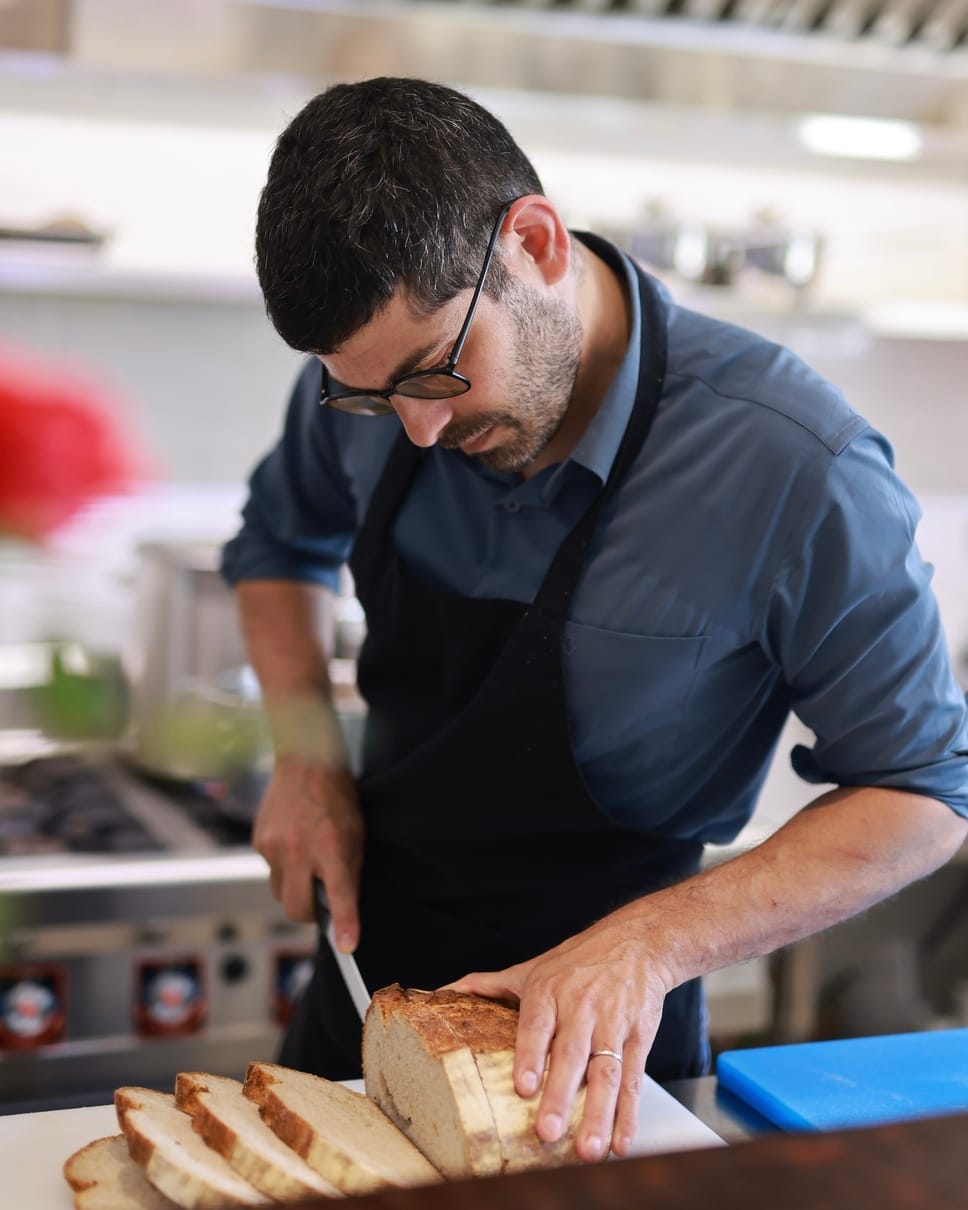
Luca FecarottaHi, I’m Luca Fecarotta, founder and head chef of Cucina Luca Italian Restaurant. I’ve been living in Da Nang for 6 years, exploring every corner of this beautiful coastal city. Over time, I’ve fallen in love with its local culture, vibrant cuisine, stunning beaches, and the warm, welcoming spirit of the people who call it home.
Fresh pasta often gets all the attention. It feels homemade, special, and straight from an Italian kitchen. But here’s something many people don’t realise: in Italy, dried pasta is just as loved. Walk into almost any Italian home, and you’ll probably find both. That’s because Italians don’t choose one over the other. They choose the pasta that brings out the best in each recipe, each sauce, and each moment around the table.
Fresh And Dry Pasta Are Different, Not Better Or Worse
The secret isn’t choosing the “best” pasta. It’s knowing why each one has a place in Italian cooking, and how each tells a different story.
What Makes Fresh Pasta Different
Fresh pasta begins with just a few simple ingredients: flour, eggs and a little patience. Yet together, they create something beautifully delicate.
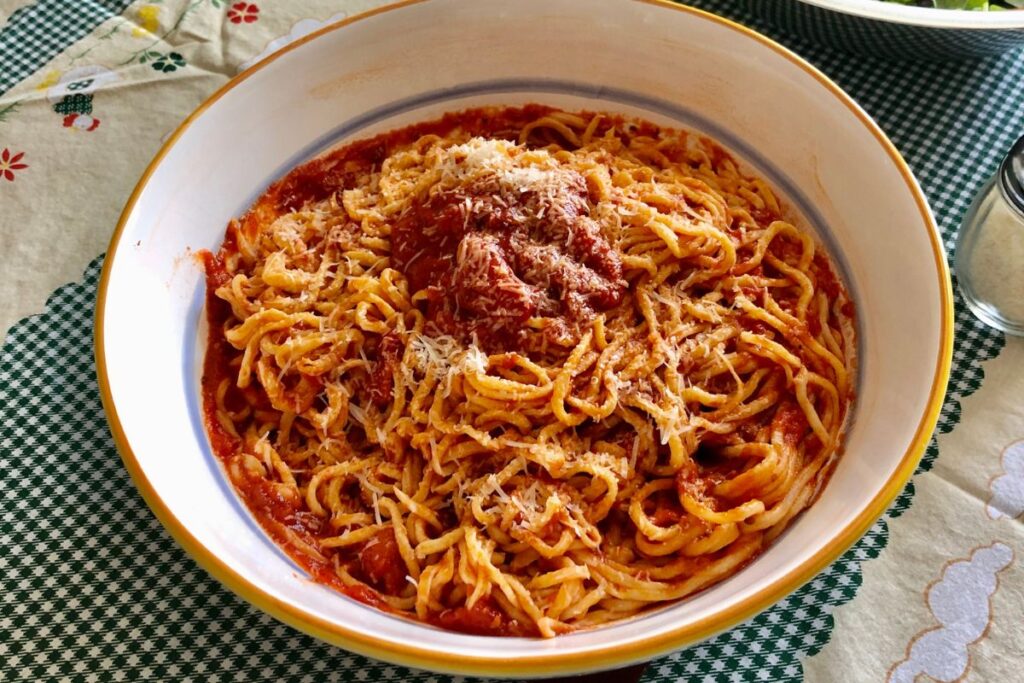
That’s why fresh pasta has such a soft, silky texture. It cooks in only a few minutes and feels almost light on the plate. Instead of standing up to bold flavours, it welcomes gentle sauces that let the pasta itself shine. Think butter, cream, fresh herbs, or a slow-cooked ragù wrapped around ribbons of tagliatelle.
Some shapes simply belong to fresh pasta. Ravioli and tortellini hold delicate fillings that would never feel the same if they were dried first. They’re made to be enjoyed fresh, often as part of family gatherings or a slow Sunday lunch, where making pasta together is just as meaningful as eating it.
Fresh pasta doesn’t last long in the refrigerator, and that’s part of its charm. It reminds Italians that some meals are meant to be enjoyed in the moment, not saved for another day.
What Makes Dry Pasta Different
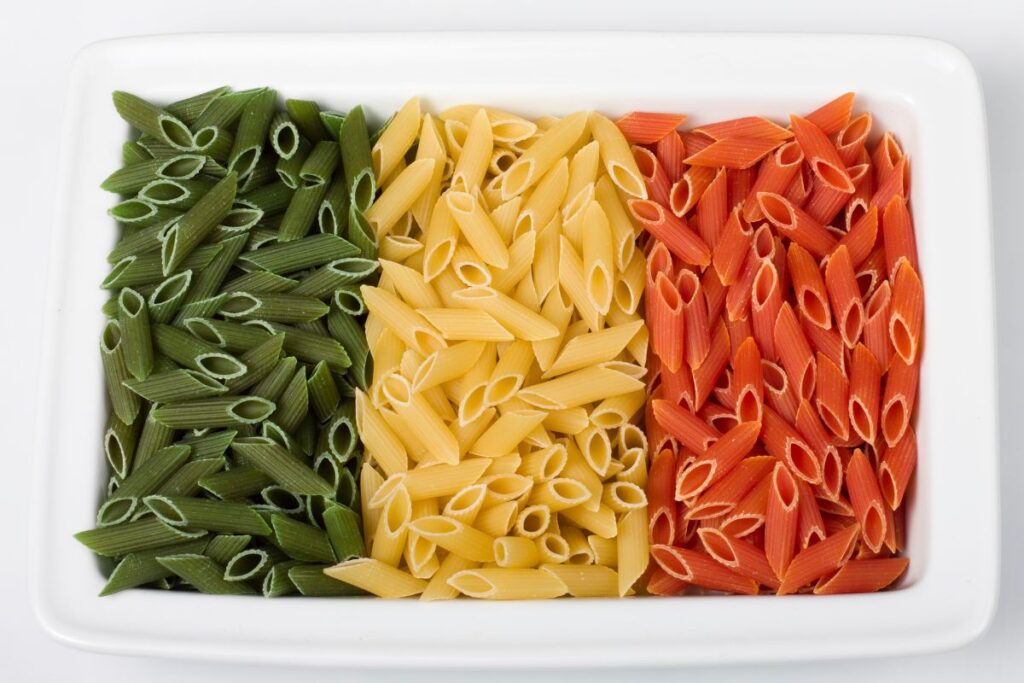
Dry pasta tells a different story, and it’s every bit as Italian. Made from durum wheat semolina and water, it’s carefully dried to create the firm texture Italians call al dente. That satisfying bite isn’t an accident. It’s exactly why dry pasta works so well with bold tomato sauces, olive oil, seafood, or rich Roman classics like carbonara.
Walk into almost any Italian kitchen and you’ll find spaghetti, penne, or rigatoni waiting in the pantry. Not because they’re the easier option, but because they were created for everyday cooking. Their firm structure holds onto sauce beautifully and stays delicious from the first bite to the last.
That’s why Italians don’t see dry pasta as a substitute for fresh pasta. They see it as a different tradition altogether. One that has earned its place at the table, one comforting bowl at a time.
Fresh Pasta Vs Dry Pasta At A Glance
By now, you’ve probably noticed there’s no clear winner. Fresh pasta and dry pasta simply play different roles in the kitchen. If you’re wondering which one suits your dinner, here’s a simple side by side comparison.
Feature
Fresh Pasta
Dry Pasta
Main ingredients
Flour and eggs
Durum wheat semolina and water
Texture
Soft and silky
Firm with an al dente bite
Cooking time
2 – 4 minutes
8 – 12 minutes
Storage
Refrigerated
Pantry friendly
Best with
Butter, cream, pesto
Tomato sauces, olive oil, ragù
Popular shapes
Tagliatelle, Ravioli, Tortellini
Spaghetti, Penne, Rigatoni
Why Italians Choose Different Pasta For Different Sauces
Fresh Pasta Loves Gentle, Creamy Sauces
Imagine spending the morning rolling fresh dough by hand. You cut ribbons of tagliatelle or carefully fold each ravioli, knowing they’ll be cooked just a few hours later. After all that care, the last thing you want is a heavy sauce hiding their delicate texture.
That’s why fresh pasta is often paired with butter, cream, fresh herbs, or a silky mushroom sauce. These lighter flavours don’t compete with the pasta. They simply wrap around it, letting every bite taste soft, fresh, and comforting. Even a rich ragù is often served with fresh tagliatelle because the broad ribbons gently catch the sauce without feeling too heavy.
For many Italian families, fresh pasta isn’t reserved because it’s expensive. It’s reserved because making it takes time. Rolling dough together, filling tortellini, or sealing ravioli has always been part of gathering around the table.
Dry Pasta Stands Up To Bold Flavours
Dry pasta tells the story of everyday Italy. Open almost any kitchen cupboard, and you’ll find spaghetti, penne, or rigatoni waiting for dinner. They’re not there because fresh pasta isn’t available. They’re there because these shapes were created to handle the heartier side of Italian cooking.
A slow simmered tomato sauce. A rich beef ragù. Garlic gently cooked in olive oil. Seafood tossed with white wine. These recipes need a pasta with structure, one that keeps its al dente bite and holds onto every spoonful of sauce. That’s exactly what dry pasta was designed to do. Its firm texture and rough surface help every flavour cling to the pasta instead of settling at the bottom of the plate.
This is why Italians never think of dry pasta as a second choice. It’s simply the right choice for countless traditional recipes. In Italy, choosing pasta isn’t about picking the fanciest option. It’s about respecting the recipe, the ingredients, and the story each dish has carried from one generation to the next.
Why You’ll Find Both In An Italian Kitchen
In Italy, fresh pasta and dry pasta aren’t competing for a place at the table. They simply belong to different moments in everyday life. Fresh pasta often appears when there’s time to slow down, whether it’s a Sunday lunch with family or a special gathering where everyone helps roll the dough. Dry pasta, on the other hand, is the trusted choice after a long day. Open the pantry, choose your favourite shape, prepare a simple sauce, and dinner is ready.
Both are part of Italian life because both bring comfort in their own way. That’s why Italians don’t ask which pasta is better. They simply ask, “What are we cooking today?”
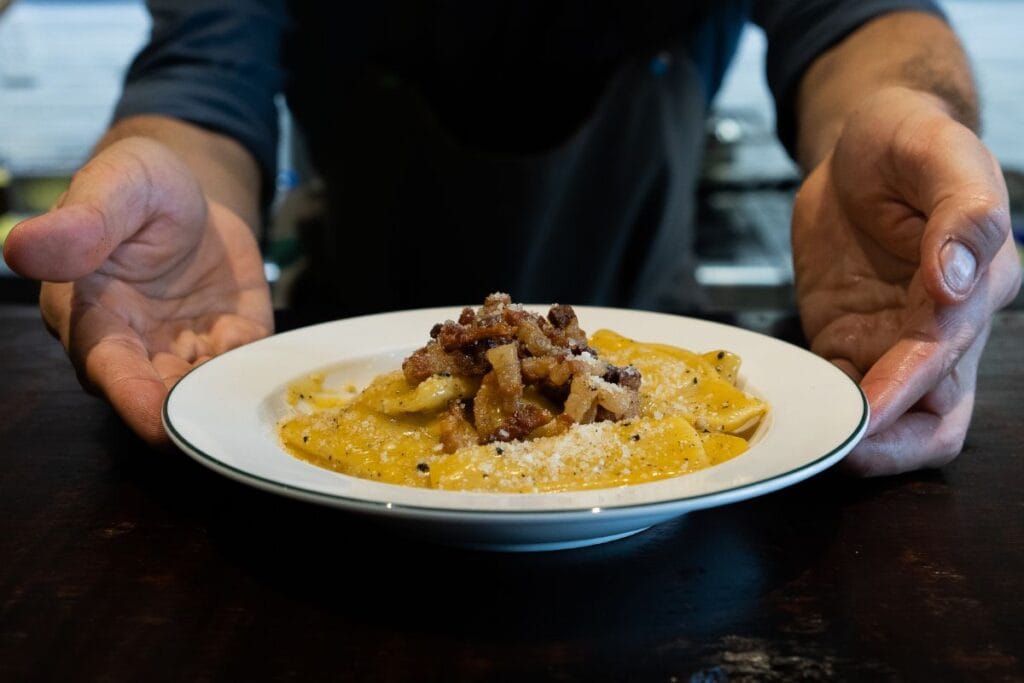
At Cucina Luca, handmade pasta is crafted daily with care, while every recipe honours the traditions of Italian cuisine and the best seasonal ingredients. Whether you’re discovering fresh pasta for the first time or returning for a favourite classic, there’s always a seat waiting for you and another story to enjoy around the table.
Experience The Story Of Italian Pasta At Cucina Luca
Every bowl of pasta tells a story. Some recipes have been shared around family tables for generations, while others reflect the traditions of different regions across Italy. Whether it’s fresh or dry pasta, each one has its own purpose, its own flavour, and its own place in Italian cooking. The best way to understand that difference isn’t just by reading about it. It’s by tasting it.
At Cucina Luca Italian Restaurant, Chef Luca brings those traditions from Italy to Da Nang through handcrafted pasta, authentic recipes, and a menu inspired by fresh seasonal ingredients. Every visit is an invitation to slow down, share good food, and experience the warmth of an Italian table, just as it has been for generations. We look forward to welcoming you.
FAQs about Fresh Pasta and Dry Pasta
Why do Italians still eat dry pasta if they can make fresh pasta?
Dry pasta isn’t a substitute for fresh pasta. It has its own texture, holds hearty sauces beautifully, and has been part of everyday Italian cooking for generations.
Which pasta is better for tomato sauce?
Dry pasta is usually the better match. Its firm al dente texture and rough surface help rich tomato sauces cling to every bite, creating a balanced dish.
Where can I enjoy authentic handmade pasta in Da Nang?
If you’d like to experience authentic Italian handmade pasta, Cucina Luca offers handcrafted pasta, seasonal menus, and traditional Italian recipes prepared by Chef Luca. The restaurant welcomes guests to enjoy a warm, family-style Italian dining experience in An Thuong, Da Nang.
Can fresh pasta replace dry pasta in every recipe?
Not always. Fresh and dry pasta have different textures and cooking qualities, so traditional Italian recipes often call for one specific type for the best result.
Why does fresh pasta cook faster than dry pasta?
Fresh pasta contains more moisture because it’s made and enjoyed soon after preparation. Dry pasta has been dehydrated, so it naturally needs more time to cook.